

Why I Climb Big Walls
Northern England has some of the world’s best rock climbing.
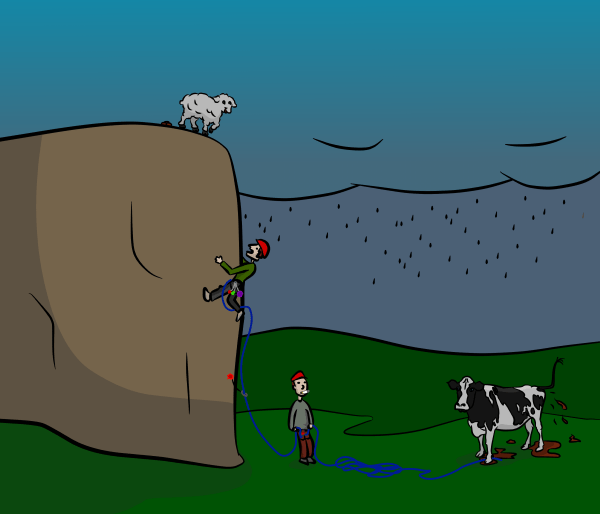
But I always wondered what it would be like to climb in other places.
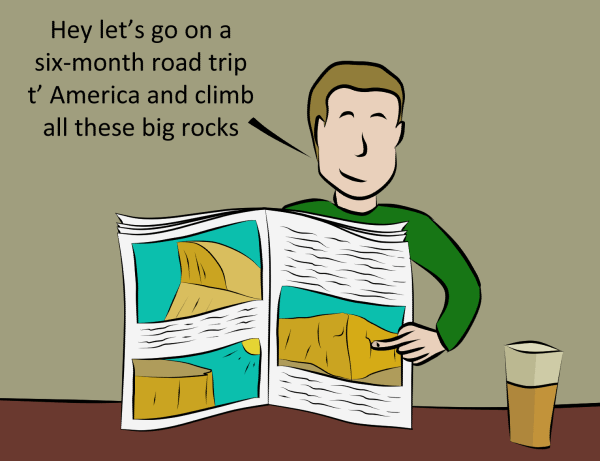
My friend Callum came up with an idea one day:
Fresh out of university, I was supposed to start a career. With a long-term girlfriend, I was supposed to get married and have babies.
I couldn’t just leave everything behind and go climbing.
At a pivotal point in life, I decided to get my priorities straight.
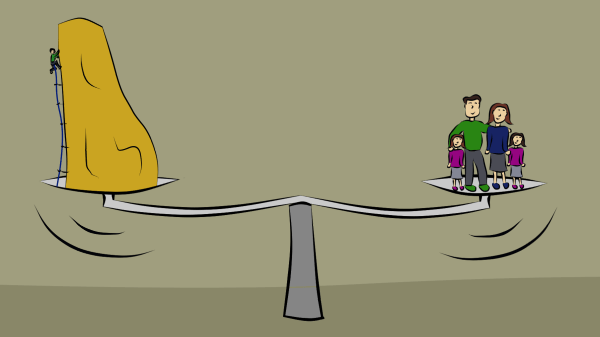
So I quit my job, left my girlfriend and went to California.
After climbing those big rocks, this is what I thought would happen.
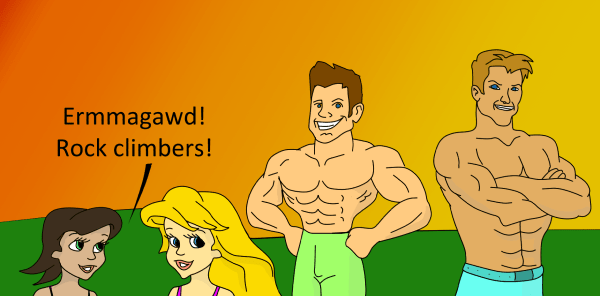
But in reality, it was more like this.
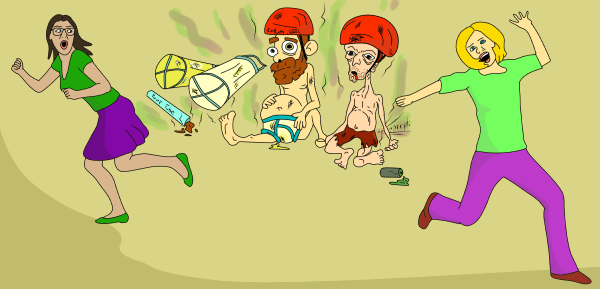
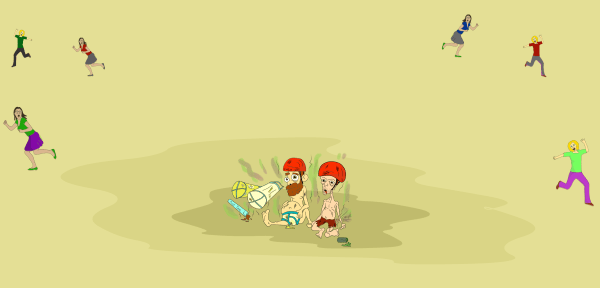
Climbing my first big wall was an incredibly powerful experience.
I wanted to stay in America forever and climb big rocks.
But, by law, I couldn’t.
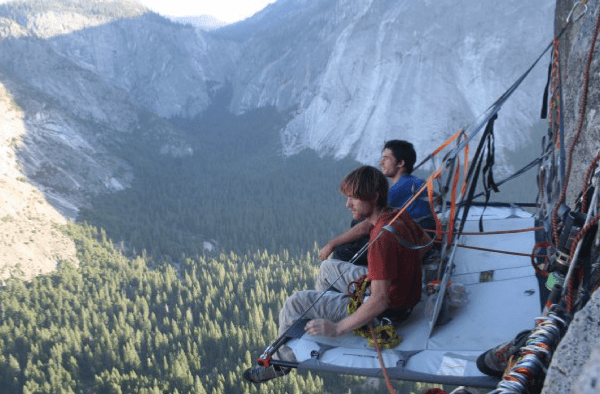
So I stayed anyway as an illegal immigrant.
Back then, in my mid-twenties, life was simple. I worked temporary jobs, I lived in a van, I had no real commitments.
Climbing was just a fun thing to do.
Until I became addicted.
The philosophical genius, Eckhart Tolle, stated in his book The Power Of Now, that to be in the present moment, “you don’t need to climb the north face of the Eiger”.
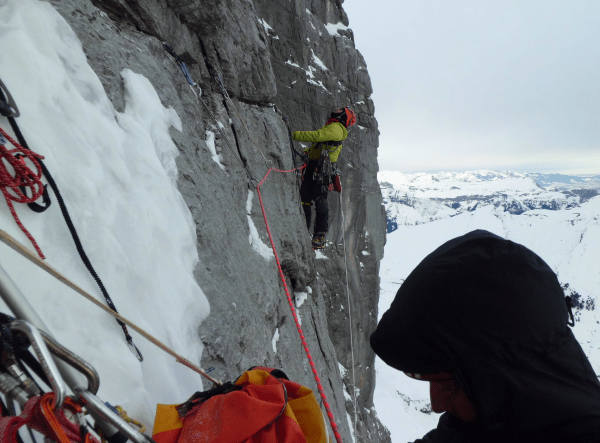
On day 5 of an unrepeated A5 nightmare on the Eiger north face, Tolle’s words suddenly revealed their full meaning.
He was right.
I had found the present moment.
It was on The Eiger.
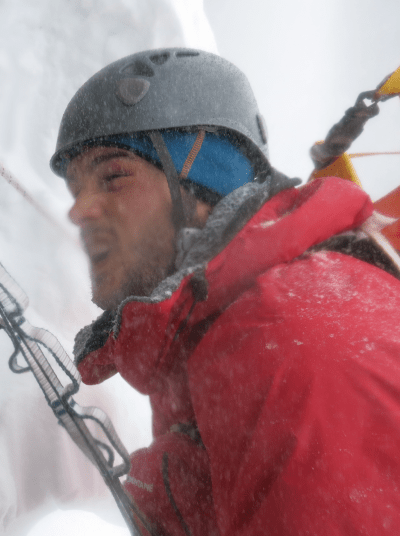
But it was everywhere else too.
We returned to our camp on the mountain…
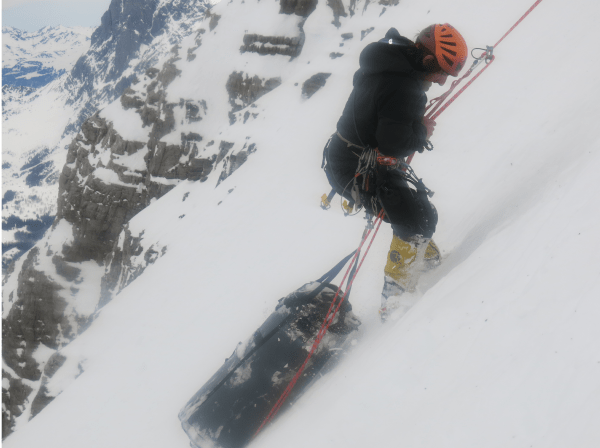
… and melted snow for a nice cup of tea.
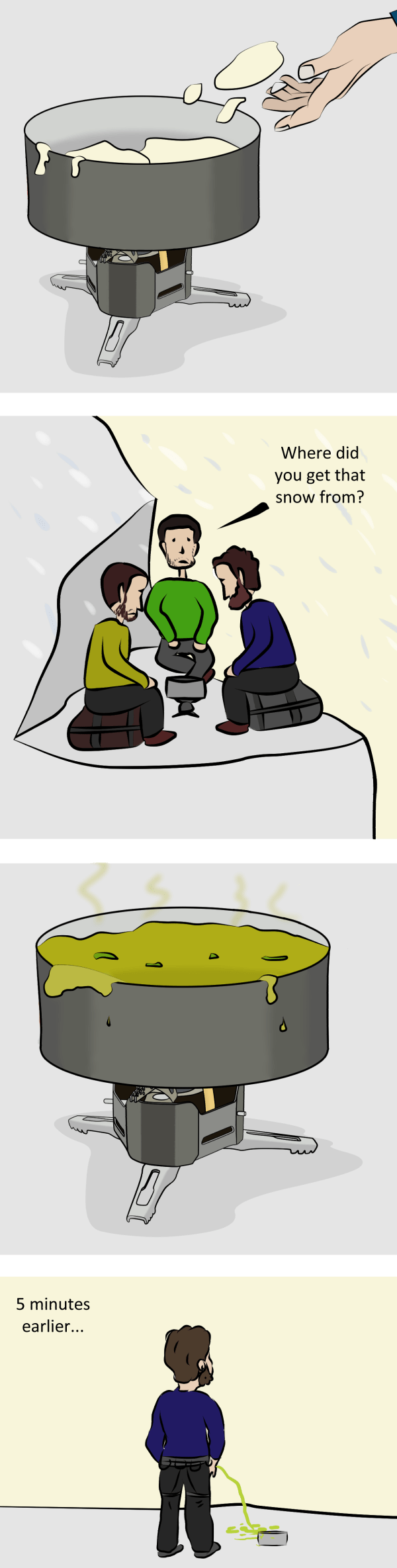
We never made it to the summit.
I typically learn things the hard way.
I chose The Diamond of Long’s Peak for my first big solo.
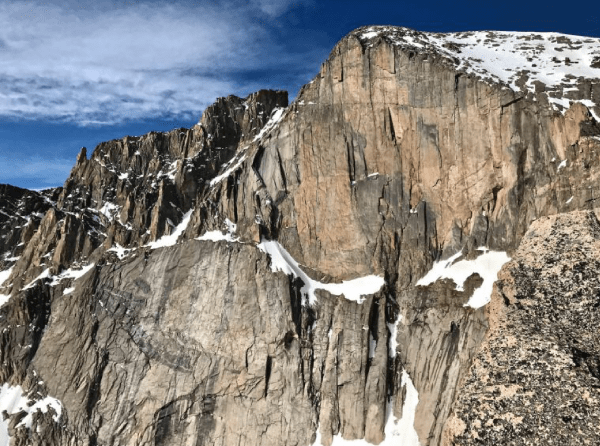
I saved money…
… by buying old gear.
I saved weight…
… by not bringing enough food or spare clothes.
And I had the route to myself…
… because I didn’t check the weather forecast.
I found a nice ledge half way up, and settled in for the night.
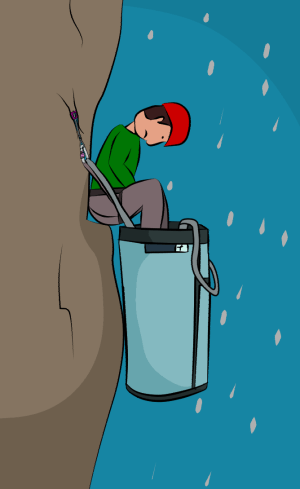
But then a massive storm thundered over the mountain…
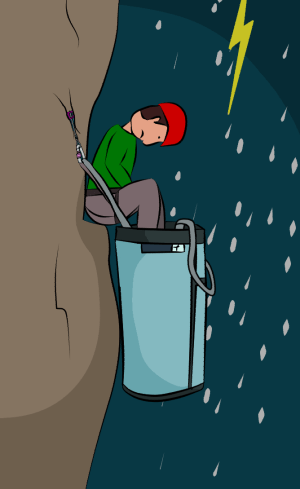
… and the route turned into a waterfall…
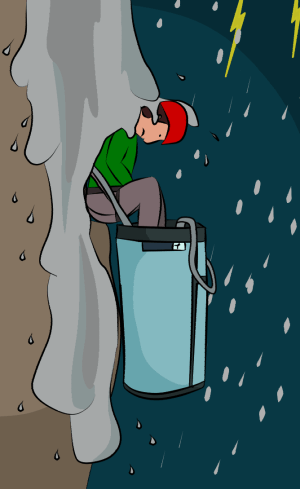
… which froze.
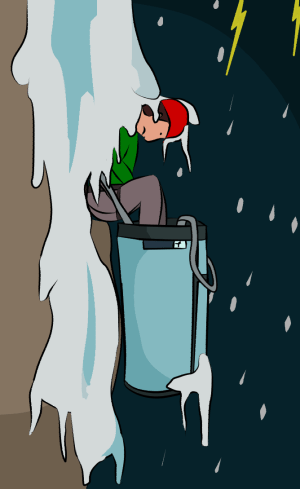
It wasn’t the best night’s sleep.
I chose El Cap as my next solo mission.
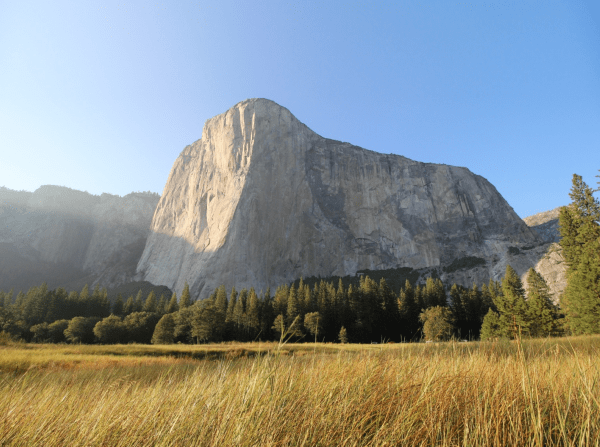
I saved money…
… by not buying a portaledge.
I had the route to myself…
… because it was over 100°F.
I saved weight…
… by not bringing enough water.
And I saved time…
… by not learning the proper skills.
My haulbag was stuck, again, 30 meters below.
I had to rappel down to dislodge it.
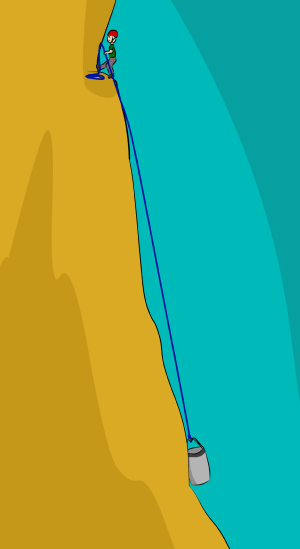
I chose to descend on the other end of the haul rope.
I didn’t back myself up with the lead rope.
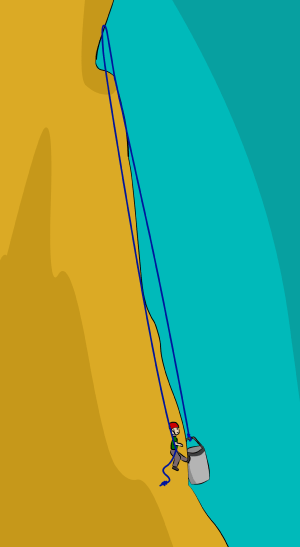
I reached the haulbag with just enough rope and pulled it from the crack.
But I’d made a marvelous error.
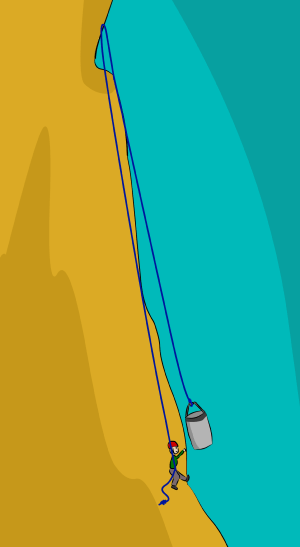
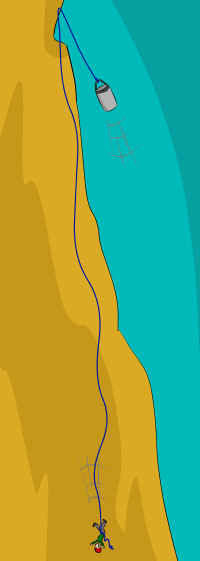
Weighing much less than me, the haulbag rocketed 30 meters up towards the belay, while I fell in the opposite direction.
It was the fastest haul I’ve ever done.
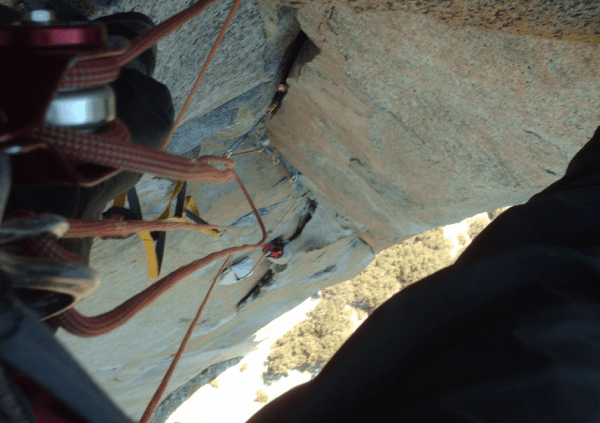
I exhausted my water supply the next day.
And crawled onto the summit the day after that.
On the top of El Cap, there was nothing there.
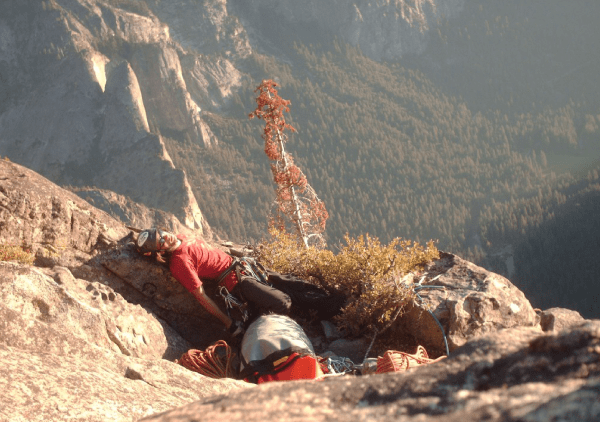
I’d found what I was looking for.
Callum had a great idea:
Let’s quit our jobs again, and go to Patagonia.
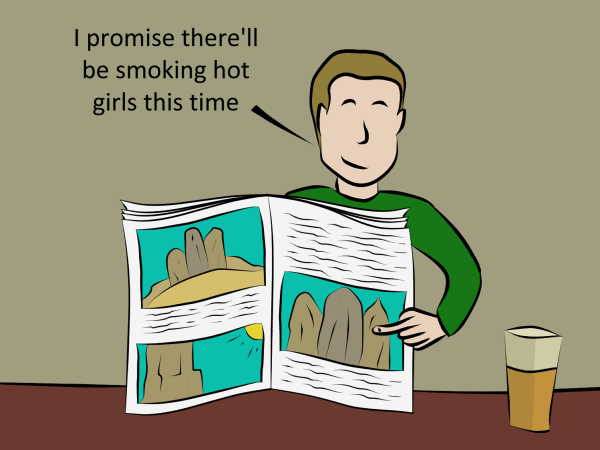
Patagonia is the most beautiful place I’ve ever been.
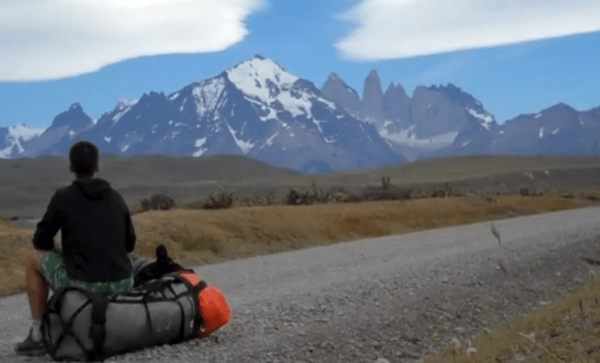
But there was one thing we didn’t expect when we went there.
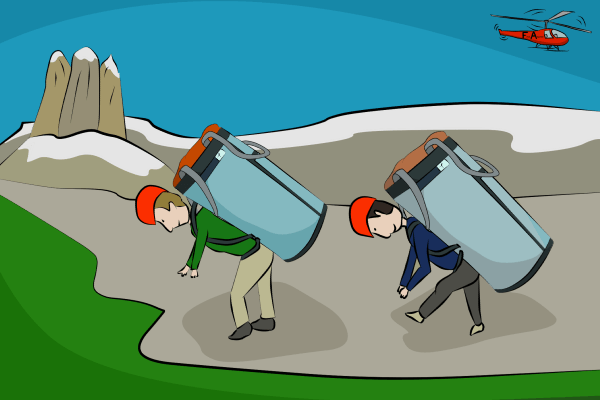
It’s windy.
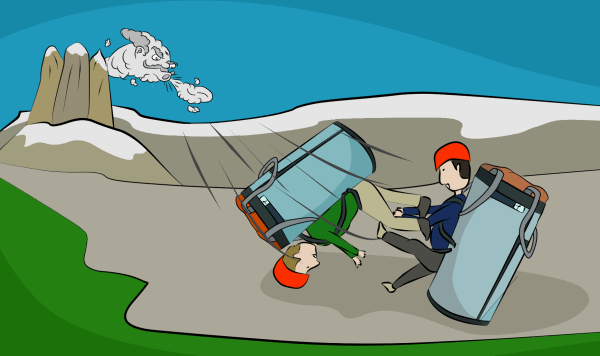
Like, seriously windy.
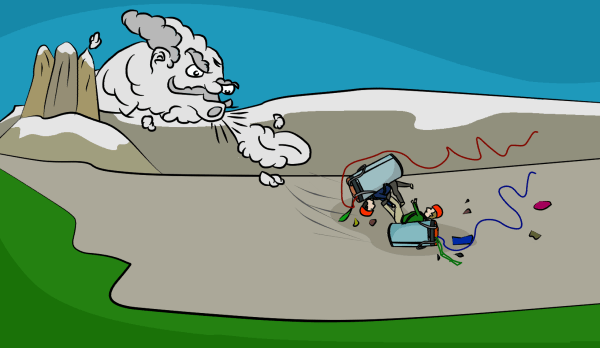
We walked to The Central Tower over 7 days.
And for another 10 days, we inched our way up, driven by the irony that we could only be rescued by ourselves.
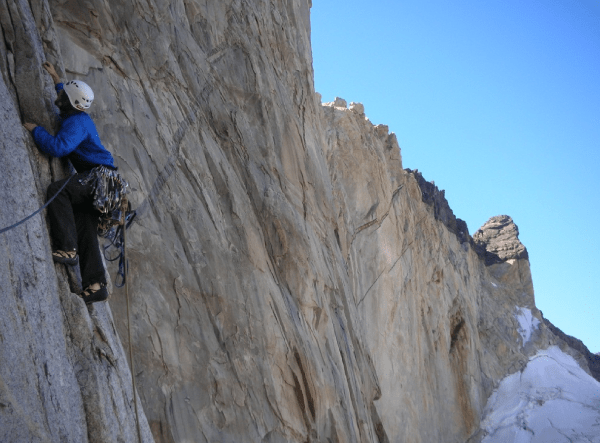
The days blew by, merging into a wicked blur of cut ropes, rockfall and bad weather.
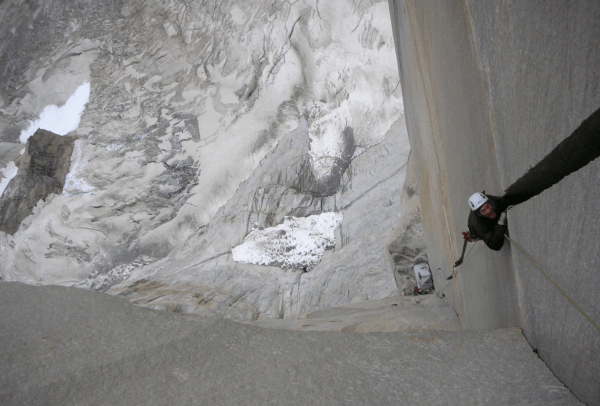
But as we approached the summit, the wind calmed, the sky cleared.
An incredible landscape unfolded around us.
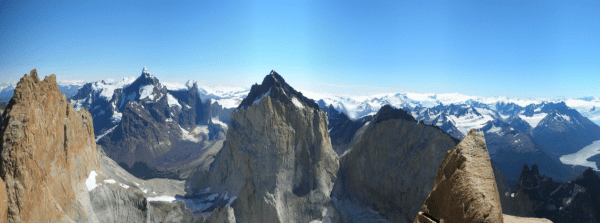
On the top of a kilometer-high granite tower in the middle of the Patagonian wilderness, a sense of peace and exhilaration captured me in ways I could never have imagined.
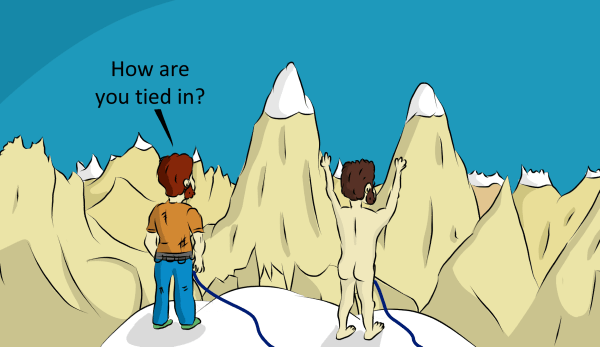
Freedom in it’s purest form.
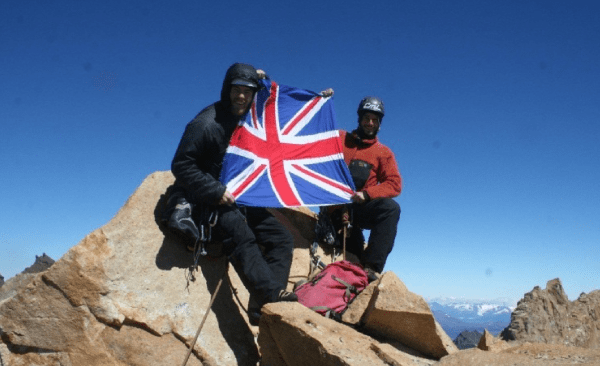
Standing on the summit of The Central Tower with my best friend was the greatest moment of my life.
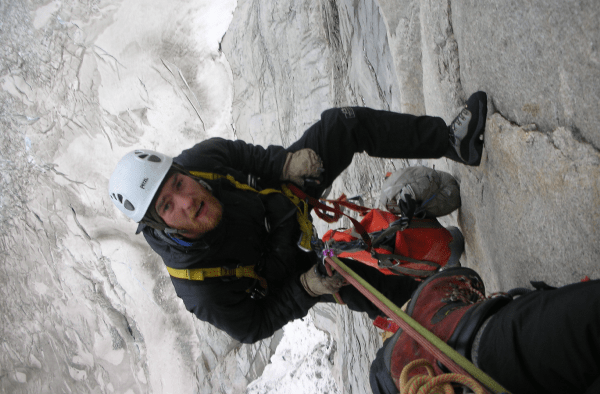
Descending the tower was not.
A brutal storm rolled in. We huddled inside the portaledge, waiting for an opportunity to descend.
After three days, we ran out of food and began descending anyway.
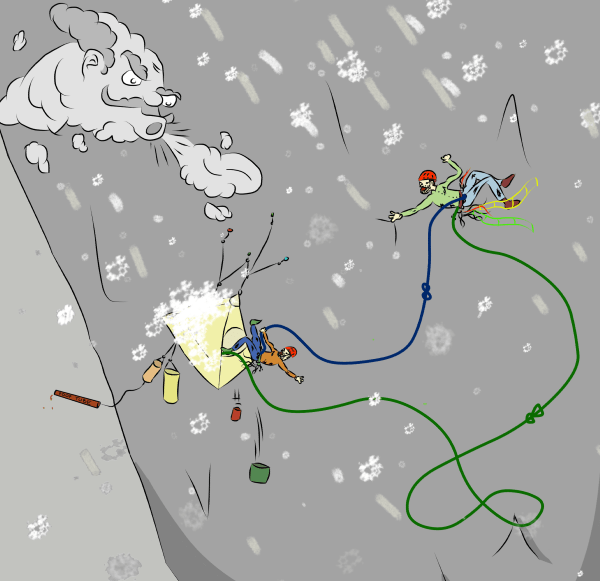
After about twenty rappels, but still with a few more to go, the air above us suddenly ripped into a deafening, scraping scream.
An enormous rock was falling towards us.
There was no escape.
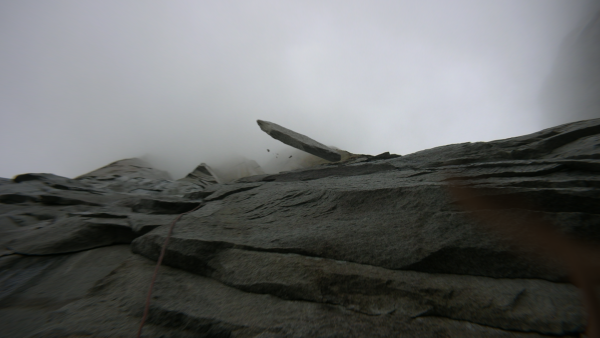
The event itself seemed to unfold in a silent, slow-motion blur; outstretched arms were crumpled, granite blocks exploded, pieces of our belay were plucked out of the rock, pain was temporarily hidden by shock.
We survived, somehow.
But then I saw the belay.
All of our haulbags, all of our equipment, my life and the life of my best friend were dangling solely from a single strand of frayed cord, the thickness and strength of a shoelace, which was wrapped around an ancient, rusty piton.
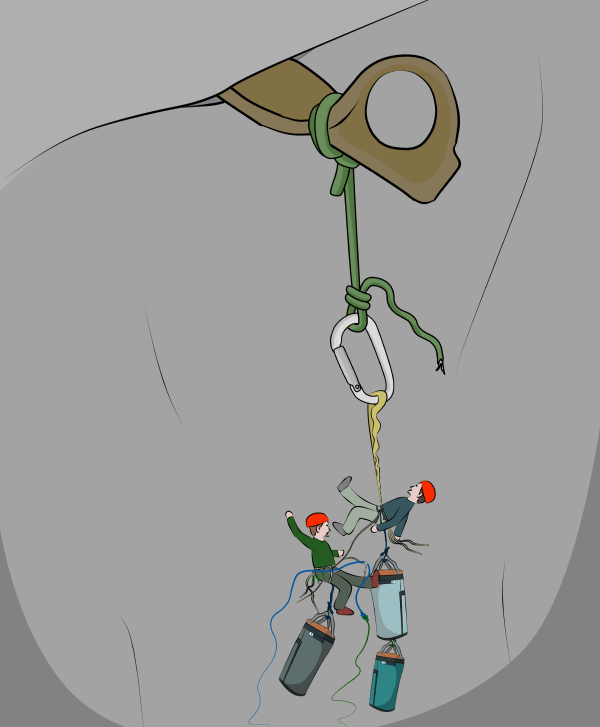
Our lives were literally hanging by a thread.
I tried to speak but the fuzzy onset of unconsciousness had frozen my voice into a hard lump of wordless desperation in my throat.
The rest of the descent is a distant blur in my memory. Always the strongest member of the team, Callum ensured we got down.
Back on the rubble-strewn ground, I untied from the rope and vowed to never climb again.
My memory deteriorated as the months passed by.
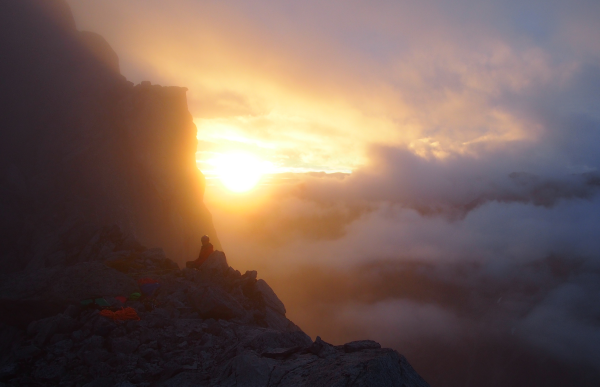
Time began to steal the details.
Three characteristics of big wall climbers:
1) A high tolerance of pain.
2) A bad memory.
3) Ummmm, I forgot the other.
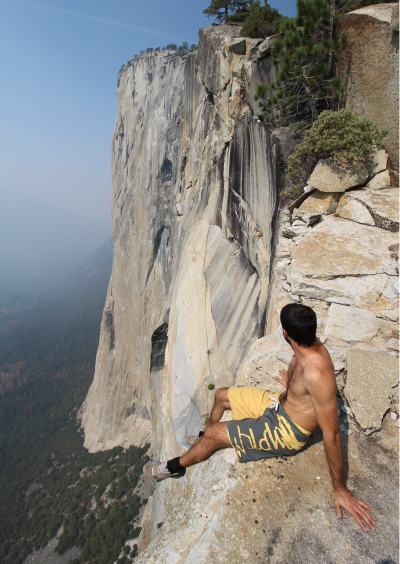
Callum and I couldn’t figure out why girls didn’t want to climb with us.
We were handsome.
We were civilized.
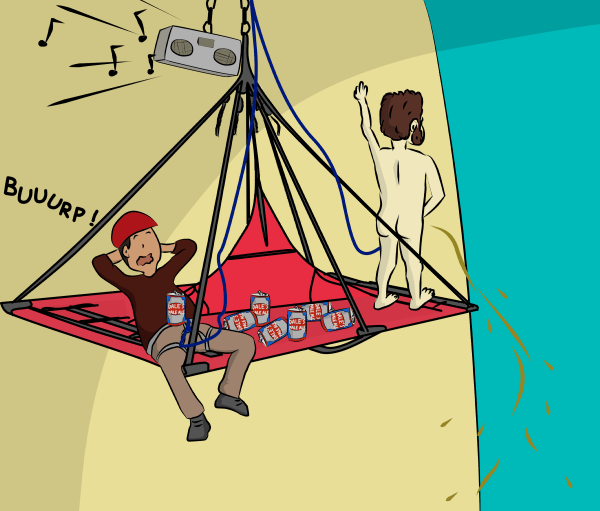
And our home had an outdoor bathroom.
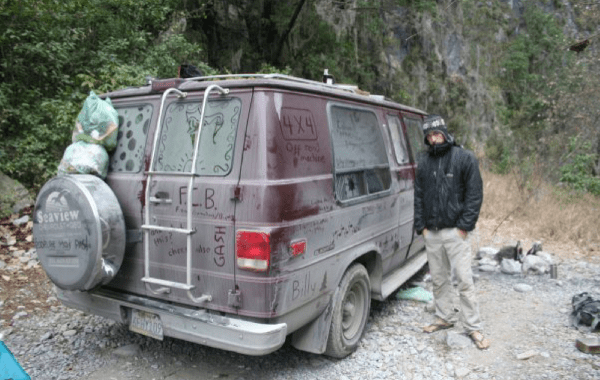
Years later, I finally convinced a girl to climb a big wall with me.
On the way to Yosemite, we stayed in a nice hotel…
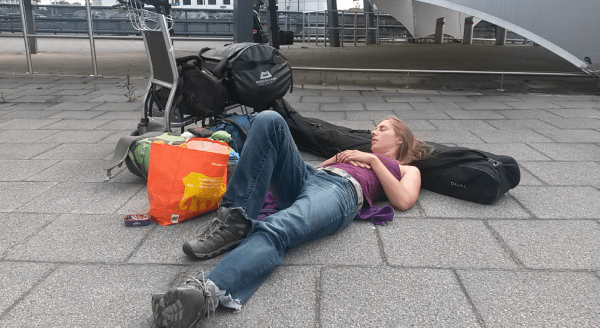
… went to some exclusive restaurants…
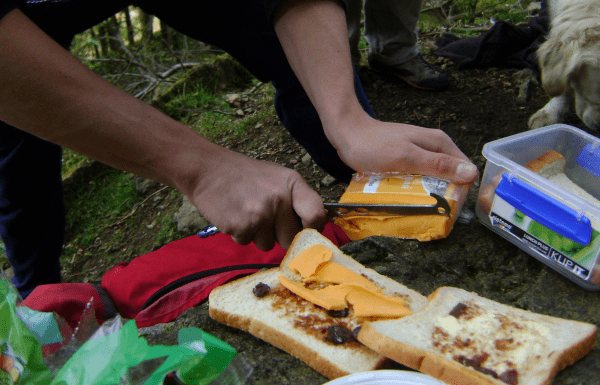
… and got ready for the climb.
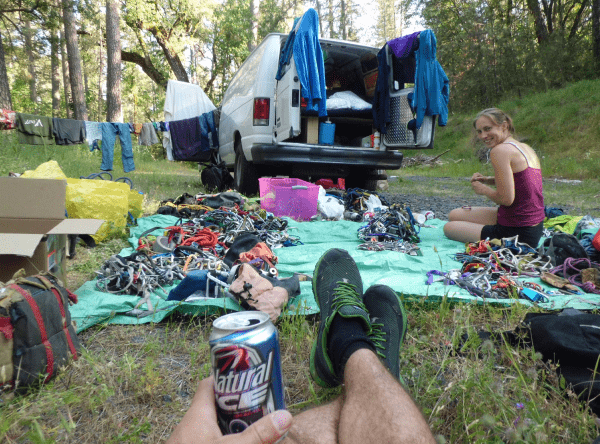
Dreams of big wall romance were finally about to come true.
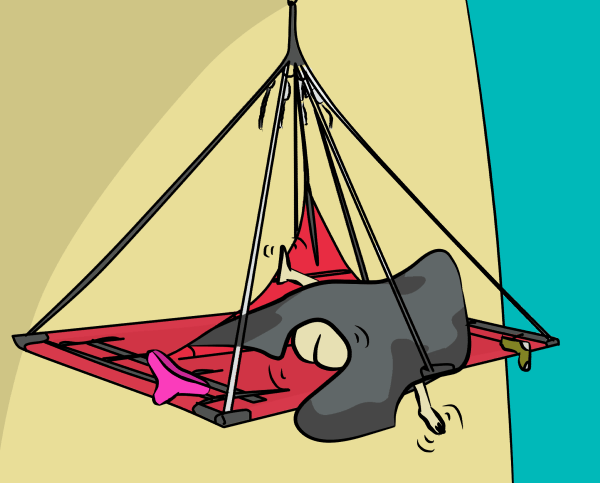
But in reality it was more like this…
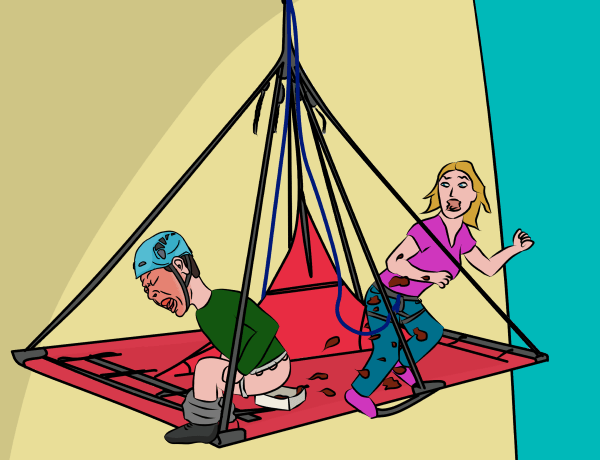
… for 10 days.
Climbing a wall can be romantic.
But it’s a different kind of romance.
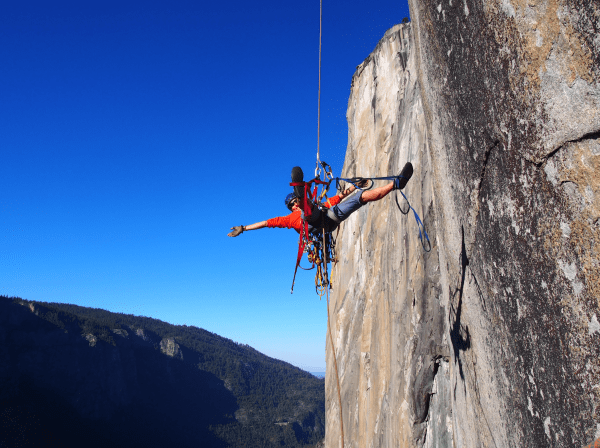
We climbed many more walls together.
We even did a first ascent in Baffin Island: