
Attaching to the Anchor > Slings, Daisy Chains and Common Mistakes
Attaching to the Anchor – Slings, Daisy Chains and Common Mistakes The Top Shelf To free up space at the central point, you can clip in to the ‘top shelf’ of the cordelette. This is…
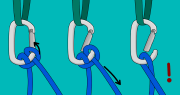
Attaching to the Anchor – Slings, Daisy Chains and Common Mistakes The Top Shelf To free up space at the central point, you can clip in to the ‘top shelf’ of the cordelette. This is…
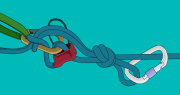
The Mule Overhand Knot: How to Tie-Off a Belay Device When belaying with a standard belay device, you obviously can’t let go of the rope. But sometimes it’s really useful to have both hands free….
How to Be a Better Belayer Just as people pick up ‘bad habits’ after they pass their driving test, climbers often get lazy with belaying once they have learnt the basics. Here are some tips…
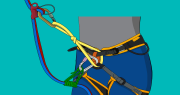
Extending a belay device can be a lifesaver on tricky multi-pitch abseils. This article explains how to extend a belay device.
Abseiling (or rappelling) is a technique used to descend climbing ropes. This article explains how to attach yourself to the anchor, and abseil with an ATC.
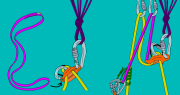
How to Belay in Guide Mode Guide Mode is an auto-blocking belay technique. It is a safe way for the leader to bring up the follower. Do not use this method for lead belaying. The…
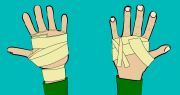
Crack Climbing: How to Make Tape Gloves Tape gloves protect your hands when crack climbing. There are many different ways to make tape gloves. The method described below provides a durable glove which protects well,…
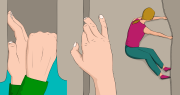
Crack Climbing Technique Cracks are often very striking lines. It’s no surprise that many classic routes follow crack systems. Some climbs have short crack sections which offer the security of a solid jam and the…
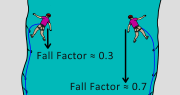
Fall Factors and kN Ratings: What They Actually Mean kN ratings are shown on all your climbing gear: nuts, cams, slings and carabiners. kN stands for kilo Newtons. 1kN is about 100kg (220lbs for the Americans)….
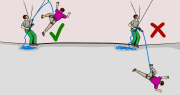
Multi-Pitch Trad Climbing A multi-pitch route is one that is split into two or more pitches. This may be because it is longer than your rope. Or it could be a wandering route that would…
How to Use Half (Double) Ropes Half ropes (also known as double ropes) are thinner than normal ‘single’ ropes, and are designed to be used as a pair. Best Situations to Use Half Ropes– When…

Extending Climbing Gear Extending climbing gear with a sling, quickdraw or extendable quickdraw has advantages in certain situations. The disadvantages are fairly minor: you’ll have to carry extra slings/quickdraws, it’ll take a little extra time…
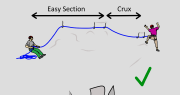
Leading Trad: When to Place Gear Trad gear is normally placed in cracks, behind flakes and around blocks. The important thing to remember is that these features are weaknesses in the rock. Some of these…

Trad Anchors: Setting Up a Top Rope With the security of an anchored rope above, top-roping is the safest way to climb. A top-roped climber can rest on the rope whenever they are too tired…
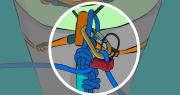
Trad Anchors: Belaying the Follower Belaying from an Anchor Once you’ve climbed a pitch and built an anchor, you will need to belay your partner up. Pull up all the slack rope in the system…
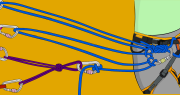
Trad Anchors: Attaching to the Anchor You’ll need to attach yourself to the anchor in a way that you can see your partner as they follow the pitch and brace yourself if they fall. Make…
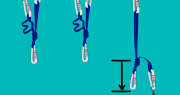
Trad Anchors: Equalizing Gear The Basics Let’s assume you’ve got two incredibly good pieces of gear or two bolts at the anchor. The easiest way to equalize them together is by using a long (120cm…
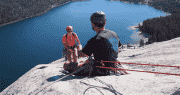
Trad Anchors: Introduction The climb isn’t over when you reach the top. You still need to make an anchor to attach yourself and belay your partner from. You should produce an anchor with at least…

Nylon or Dyneema Slings? Nylon Climbing Slings Usually around 16-20mm wide, nylon climbing slings are much bulkier (and more durable) than lightweight 6-14mm Dyneema slings. This makes them the best choice for situations such as…
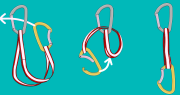
Extendable Quickdraws Extendable quickdraws (or alpine draws) are usually made from a 60cm sling and two snap gate carabiners. They can be used either as a short draw or fully extended, meaning it’s quick and…
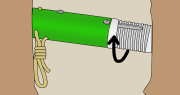
Trad Climbing Gear: Big Bros Big Bros are expandable tubes which protect wide cracks. They are lighter and more compact than large cams but are harder to place, cannot be shuffled up the crack and…
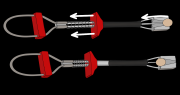
Trad Climbing Gear: Ball Nuts Ball nuts are a seldom used type of climbing gear which offer protection in thin cracks, filling the void where even the smallest cams are too big to fit. They…
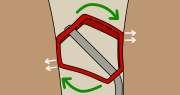
Learn how to place hexes; how to use them passively (like a nut) or actively so they cam into cracks. Learn how to place, remove and rack climbing hexes.
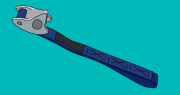
Trad Climbing Gear: Tricams Tricams work in a similar way to hexes; they can be placed in ‘passive’ mode like a nut, and also in ‘active’ mode. When a tricam is weighted in active mode,…
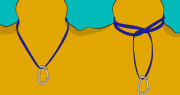
Trad Climbing Gear: Slings Climbing slings are strongly-sewn loops of nylon or dyneema tape. They’re available in a range of lengths – your typical trad rack will have 60cm, 120cm and maybe a 240cm length…
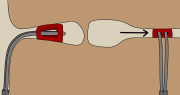
Nuts are an essential for every trad climber. This article explains everything about using climbing nuts: placing, racking and removing them.
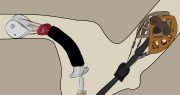
Learn how to place climbing cams. This article explains the physics of how climbing cams work, and also how to place, remove and rack them.
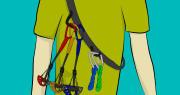
In addition to the gear you use in an indoor wall or at a sport crag, you’ll need some more specialist kit to climb a trad route. This article explains all.

Climbing Helmets A climbing helmet is the first thing you should buy when you start trad climbing. They protect your head from things falling on you (rocks, equipment, etc..) and also from your head hitting…

What is Trad Climbing? Trad climbing is adventurous. When trad climbing, the leader must place their own gear in the rock. Typically, there are no pre-existing bolts. To be safe when trad climbing, the leader…