Skip to content
VDiff Climbing

VDiff Climbing

  • Basics
  • Sport
  • Trad
  • Self Rescue
  • Big Wall
  • Glacier
  • Knots
  • Shop
VDiff Climbing
VDiff Climbing
  • Increase friction abseiling rappel

    Abseiling > How To Increase Friction

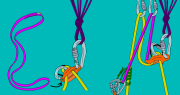
    Abseiling > How To Increase Friction Whether you’re abseiling down a skinny rope at the sport crag, or retreating down a multipitch with rain-slicked ropes and a heavy pack, the following techniques will help you…

    Read More Abseiling > How To Increase FrictionContinue

  • eiger north face climbing

    Abseiling > How to Deal with Stuck Ropes

    Abseiling > How to Deal with Stuck Ropes You try to retrieve your ropes after abseiling and they get stuck. What do you do? Stuck Ropes – Prevention If you are about to abseil down…

    Read More Abseiling > How to Deal with Stuck RopesContinue

  • carabiner brake abseil rappel

    Abseiling > The Carabiner Brake – How To Abseil Without a Device

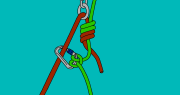
    The Carabiner Brake – How To Abseil Without a Device Dropping your belay device at the top of a ten-pitch abseil descent isn’t recommended. But if you do, knowing how to use the carabiner brake…

    Read More Abseiling > The Carabiner Brake – How To Abseil Without a DeviceContinue

  • how to prusik up a rope

    Self Rescue > Prusiking Up a Rope

    Self Rescue > Prusiking Up a Rope Knowing how to prusik up a rope transforms a potential epic into a mere inconvenience. This article explains how to ascend a rope using prusiks, assuming that you…

    Read More Self Rescue > Prusiking Up a RopeContinue

  • clove hitch climbing

    Attaching to the Anchor > Slings, Daisy Chains and Common Mistakes

    Attaching to the Anchor – Slings, Daisy Chains and Common Mistakes Attaching to the Anchor: The Top Shelf To free up space at the central point, you can clip in to the ‘top shelf’ of…

    Read More Attaching to the Anchor > Slings, Daisy Chains and Common MistakesContinue

  • How to be a better belayer

    How To Be a Better Belayer

    How To Be a Better Belayer Just as people pick up ‘bad habits’ after they pass their driving test, climbers often get lazy with belaying once they have learnt the basics. Here are some tips…

    Read More How To Be a Better BelayerContinue

  • extend belay device rappel

    Abseiling > How To Extend a Belay Device

    Extending a belay device can be a lifesaver on tricky multi-pitch abseils. This article explains how to extend a belay device.

    Read More Abseiling > How To Extend a Belay DeviceContinue

  • guide mode climbing

    How To Belay In Guide Mode

    How To Belay In Guide Mode Guide Mode is an auto-locking belay technique. It is a safe way for the leader to bring up the second. Do not use this method for lead belaying. How…

    Read More How To Belay In Guide ModeContinue

  • rock climbing slings

    Nylon or Dyneema Slings?

    Nylon or Dyneema Slings? Nylon Climbing Slings Usually around 16-20mm wide, nylon climbing slings are much bulkier (and more durable) than lightweight 6-14mm Dyneema slings. This makes them the best choice for situations such as…

    Read More Nylon or Dyneema Slings?Continue

  • climbing rope abseil

    Abseiling > How To Abseil On Two Ropes With a GriGri

    How To Abseil On Two Ropes With a GriGri Sometimes you may want both hands free while abseiling to do things like clean a route, free a stuck rope or swing under an overhang. Using a…

    Read More Abseiling > How To Abseil On Two Ropes With a GriGriContinue

  • rock climbing

    Climbing Technique > Movement

    Climbing Technique > Movement Climbing is like a dance. The aim is to choreograph different types of holds and moves into one fluid movement. It is much more efficient and enjoyable to move up fluidly,…

    Read More Climbing Technique > MovementContinue

  • rock climbing

    Climbing Technique > Handholds

    Climbing Technique > Handholds Climbing Technique > Handholds The weight on your arms increases as the rock gets steeper and the footholds get smaller. Beginners often ‘over grip’ the rock and burn out their forearms…

    Read More Climbing Technique > HandholdsContinue

  • rock climbing shoes

    Climbing Technique > Footwork

    Climbing Technique > Footwork This section introduces the most common foot, hand and body positions used in rock climbing. How you grip handholds or stand on footholds depends on their shape, size and position. How…

    Read More Climbing Technique > FootworkContinue

  • how to sport climb

    Multi-Pitch Sport Climbing

    Multi-Pitch Sport Climbing A multi-pitch route is one that is split into two or more pitches. This may be because it is longer than your rope, or it could be a wandering route that would…

    Read More Multi-Pitch Sport ClimbingContinue

  • how to sport climb

    Sport Climbing > How To Descend

    Sport Climbing – How To Descend Lower, Abseil or Walk Off? There are basically three ways to descend; walk off, lower or abseil (rappel). You will either lower or abseil to get down from most…

    Read More Sport Climbing > How To DescendContinue

  • how to sport climb

    Sport Climbing > Lead Skills

    Sport Climbing – Lead Skills Lead climbing a sport route is similar to lead climbing at the indoor wall, but with a few more factors to consider. These are described below. Quickdraw Ends Quickdraws have…

    Read More Sport Climbing > Lead SkillsContinue

  • sport climbing

    Sport Anchors > Belaying from the Top

    Sport Anchors – Belaying from the Top For most sport climbs, you will belay from the bottom – just like you would at the indoor gym. However, you should belay from the top of the…

    Read More Sport Anchors > Belaying from the TopContinue

  • sport climbing

    Sport Anchors > Cleaning the Anchor

    Sport Anchors – Cleaning the Anchor ‘Cleaning’ a sport anchor means removing all of your gear from it. Three of the main ways to do this are described below. Which you choose depends on the…

    Read More Sport Anchors > Cleaning the AnchorContinue

  • sport climbing

    Sport Anchors > Setting Up a Top Rope

    Sport Anchors – Setting Up a Top Rope With the security of an anchored rope above, top-roping is the safest way to climb. A top-roped climber can rest on the rope whenever they are too…

    Read More Sport Anchors > Setting Up a Top RopeContinue

  • sport climbing

    Sport Anchors > Introduction

    Sport Anchors – Introduction Many climbs have bolted ‘sport anchors’ at the top. This is the standard for sport climbs worldwide, but is also common at many North American trad climbing venues. These bolted anchors…

    Read More Sport Anchors > IntroductionContinue

  • belay with grigri

    How To Belay with a GriGri

    How To Belay with a GriGri Belaying at the crag is more difficult than belaying indoors. Uneven ground, falling rocks, strong sunlight, wind, insects, stray children and dogs are just some of the factors which…

    Read More How To Belay with a GriGriContinue

  • climbing gear

    Sport Climbing Gear > What Do You Need?

    Sport Climbing Gear – What Do You Need? Sport Climbing Gear: Rope You’ll need a ‘single-rated’ rope for sport climbing. They are marked with a ‘1’ symbol at the end of the rope. A 70m…

    Read More Sport Climbing Gear > What Do You Need?Continue

  • sport climbing in spain

    What is Sport Climbing?

    What is Sport Climbing? Sport climbing is physical. It’s a relatively safe form of rock climbing in which you push the boundaries of your physical capabilities, often achieving goals that you previously thought were impossible….

    Read More What is Sport Climbing?Continue

Search

Looking for a complete guide?

Follow a structured and comprehensive learning path with VDiff books and online courses.

  • About
  • Contact
  • Bonus Material

© VDiff Climbing 2014-2026  |  This website is intended to supplement information given by qualified professionals |  Privacy & Disclaimer

Scroll to top
  • Basics
  • Sport
  • Trad
  • Self Rescue
  • Big Wall
  • Glacier
  • Knots
  • Shop
Search