
Prusik Knots > Different Types Explained
Prusik Knots > Different Types Explained A prusik (also known as a friction hitch) is a short piece of cord which can be wrapped around your climbing rope to add friction. They can slide up…
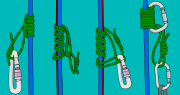
Prusik Knots > Different Types Explained A prusik (also known as a friction hitch) is a short piece of cord which can be wrapped around your climbing rope to add friction. They can slide up…

Abseiling > How To Increase Friction Whether you’re abseiling down a skinny rope at the sport crag, or retreating down a multipitch with rain-slicked ropes and a heavy pack, the following techniques will help you…

The Carabiner Brake – How To Abseil Without a Device Dropping your belay device at the top of a ten-pitch abseil descent isn’t recommended. But if you do, knowing how to use the carabiner brake…
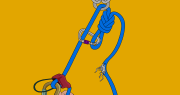
Abseiling > How To Abseil with a Damaged Rope If you climb long enough, you will inevitably end up having to abseil with a damaged rope at some point. Unfortunately, getting a core-shot (when the…

Trad Climbing > Accident Prevention The vast majority of climbing accidents are preventable. They typically happen due to a series of bad choices. A single bad decision is often not a problem – if you…
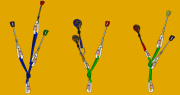
Advanced Trad Anchors > Minimal Gear Anchors The following minimal gear anchors are great to know in case you reach the top of a pitch without a cordelette, only a meter of rope to spare…
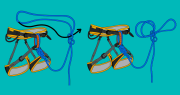
Advanced Trad Anchors > The Equalizing Figure-8 In Trad Climbing Basics, we described methods of building an equalized anchor without the use of slings or a cordelette – great if you’ve used them all during…
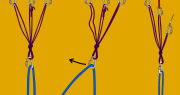
Advanced Trad Anchors > Getting Perfect Equalization In Trad Climbing Basics, we introduced various methods of creating belay master points by tying an overhand knot in a sling or cordelette. These methods are safe, simple…

Abseiling (or rappelling) is a technique used to descend climbing ropes. This article explains how to attach yourself to the anchor, and abseil with an ATC.
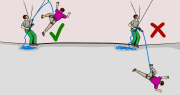
Multi-Pitch Trad Climbing A multi-pitch route is one that is split into two or more pitches. This may be because it is longer than your rope. Or it could be a wandering route that would…
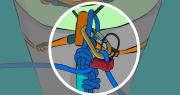
Trad Anchors – Belaying the Follower Belaying from an Anchor Once you’ve climbed a pitch and built an anchor, you will need to belay your partner up. Pull up all the slack rope in the…
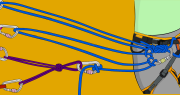
Trad Anchors – Attaching to the Anchor You’ll need to attach yourself to the anchor in a way that you can see your partner as they follow the pitch and brace yourself if they fall….
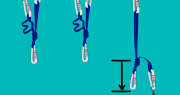
Trad Anchors – Equalizing Gear Let’s assume you’ve got two incredibly good pieces of gear or two bolts at the anchor. The easiest way to equalize them together is by using a long (120cm or…
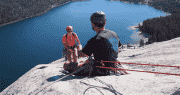
Trad Anchors – Introduction The climb isn’t over when you reach the top. You still need to make an anchor to attach yourself and belay your partner from. You should produce an anchor with at…
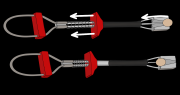
Trad Climbing Gear > Ball Nuts Ball nuts are a seldom used type of climbing gear which offer protection in thin cracks, filling the void where even the smallest cams are too big to fit….